


Your business name is settled. You've checked, and the obvious domain is taken. Not parked by a serious company using it, just sitting there, probably owned by someone who registered it years ago. This is where domain auctions become relevant. If you've never bought a domain through an auction before, the process can feel opaque. It doesn't need to be.
The Basic Idea Behind a Domain Auction
A domain name is a piece of digital real estate. Like physical property, domains can be bought, sold, and transferred between owners. Domain auctions work exactly how you'd expect: a domain is listed, buyers place bids, and the highest bidder wins the right to own and use that name.
What makes domain auctions distinct from simply buying a domain through a registrar is that you're purchasing from another person or entity, not from the registry itself. The domain already exists, it already has a history, and it may already have value baked into it because of its age, the keywords it contains, or how memorable it is.
There are two broad types of auctions you'll encounter. The first covers domains that are expiring, meaning the current owner has let the registration lapse or is about to. The second covers domains that owners are actively selling. Both routes lead to the same outcome, but the dynamics differ.
Expiring Domains and Why They Go to Auction
When a domain owner stops renewing a registration, the domain goes through a release process. Registrars and auction platforms intercept this process and hold the domain in an auction before it becomes freely available again. This is because expired domains can carry real value: inbound links from other sites, years of search history, or simply a name that's better than anything still available on the open market.
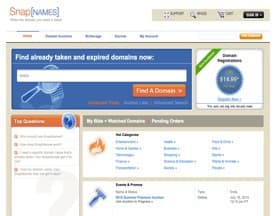
Platforms like SnapNames and Pool.com specialize in catching these expiring or recently expired domains and surfacing them to buyers. The mechanism is called a backorder or drop catch, and the competition can be fierce when a genuinely good name is on the line.
Seller-Listed Auctions and Aftermarket Sales
Not every domain in an auction is expiring. Many owners list domains deliberately, the same way someone lists a car or a piece of equipment for sale. They set a reserve price (the minimum they'll accept), sometimes a "buy it now" price for buyers who'd rather skip the bidding, and then let the market determine the value.
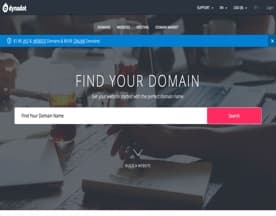
Dynadot combines domain registration with a marketplace that includes seller-listed auctions, which is useful if you want to search, register, and buy all in one place. Platforms focused purely on the aftermarket tend to carry more premium inventory because sellers know that's where buyers with serious intent go looking.
What Drives a Domain's Price
Here's where beginners often get surprised. A domain's auction price isn't arbitrary, but it's also not always logical from the outside. Several factors push prices up.
Keyword strength. A domain that contains a high-volume search term in a competitive industry will attract attention from buyers who believe the name itself will generate organic traffic. Whether or not that traffic materializes depends on many other things, but the belief drives the bid.
Domain extension. The .com extension still commands a premium in most markets. Other extensions (.net, .io, .co) can perform well depending on the industry and audience, but if you're buying for a broad consumer audience, .com remains the default preference.
Length and memorability. Short, clean, easy-to-spell names are scarce. The shorter a domain is, the more likely it already fetched a high price years ago. Very short domains at auction typically reflect this scarcity directly.
Existing backlinks and traffic. Some expired domains carry a genuine asset in the form of links from reputable websites. Buyers who want to accelerate their SEO efforts will pay more for a domain with a clean and strong link profile. This is worth verifying before you bid, because not all backlink profiles are worth inheriting.
Age. Older domains have longer histories. Whether that history is an advantage depends on what the domain was used for previously, but age alone can push price upward.
How the Bidding Process Works in Practice
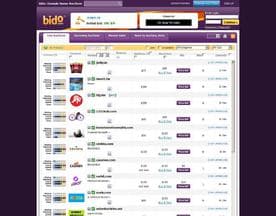
Most platforms run auctions with a set closing time. You place an initial bid, and if someone outbids you before the clock runs out, you receive a notification and can respond. Some platforms use proxy bidding, meaning you set a maximum and the system bids incrementally on your behalf up to that ceiling. Others simply require you to return and bid manually.
Watch out for auction extensions. Many platforms add extra time to the auction clock when a bid is placed in the final minutes, which prevents last-second sniping and can push prices higher than you expected. Factor that into your ceiling before you start bidding.
Protrada runs a domain trading and auction platform that includes filtering tools so you can search and evaluate domains before committing to a bid. Tools like these matter when you're trying to assess dozens of options without wasting hours.
Before You Bid, Do the Work
Buying a domain without research is how people end up overpaying for names with bad histories. Before placing any bid, check what the domain was previously used for using a web archive tool (freely available online). Look at the backlink profile using any reputable SEO tool. Check whether the name has any trademark implications in your industry, because a domain that infringes a trademark creates legal exposure regardless of how you acquired it.
Set a hard ceiling on what you're willing to spend and treat it as a rule, not a guideline. Auction psychology is real. The competitive pressure of watching a bid counter tick up makes it easy to convince yourself the next increment is justified. It usually isn't.




Whether Auctions Are Right for Your Business
For some businesses, a domain auction is the only realistic path to the name that fits. If the name that perfectly matches your brand is taken and unlisted, finding it at auction is a legitimate and often successful strategy.
For others, especially those early in brand development, the time and money spent on auctions is better applied elsewhere. A fresh, creatively chosen domain registered at standard pricing can perform just as well as a premium name, and you won't carry the baggage of uncertainty about its past.
The honest answer is that domain auctions are worth understanding even if you never use one. Knowing how they work means you can make a clear-eyed decision when the moment comes, rather than assuming the name you want is simply out of reach.
