


You already know you need to advertise. The question is whether the software you pick will make that easier or just add another layer of complexity between you and the results you want. Most buyers focus on features first and regret it. The tools that actually move the needle are the ones that fit how your team works, where your audience lives, and what you can realistically manage week to week.
Advertising software covers a wide range of tools, from platforms that automate paid media buying and optimize campaign spend, to creative production environments, publisher monetization systems, and press distribution services. That breadth is part of the problem. Buyers often walk in looking for "advertising software" and walk out with something designed for a completely different use case than their own. Getting clear on your actual problem before you open a single demo call saves a lot of time.
Understand What Problem You Are Actually Solving
The category is broad enough that two buyers can use the term "advertising software" and mean entirely different things. A direct-to-consumer brand trying to scale paid social and search needs something very different from a publisher trying to monetize web traffic, or a B2B company looking to amplify its content through press distribution.
Before evaluating any tool, write down one sentence describing what success looks like in three months. If you cannot do that, you are not ready to buy yet. The tools you evaluate should map directly to that sentence. If they do not, they belong in a different shortlist.
Common problem categories include:
- Campaign management and automation. Running paid media across multiple channels, tracking performance, and reducing the manual overhead of adjusting bids and budgets.
- Creative production at scale. Building and versioning display and banner ads across formats without drowning your design team.
- Publisher-side monetization. If you own media inventory, the challenge is maximizing fill rates and revenue from that inventory without undermining user experience.
- Press and content distribution. Getting announcements, product news, and thought leadership in front of journalists, editors, and audiences through syndicated channels.
Mixing these up is how teams end up paying for capability they never use.
The Capabilities That Actually Matter
Once you know your problem category, look for these capabilities in whatever tools you evaluate.
Automation that you can trust
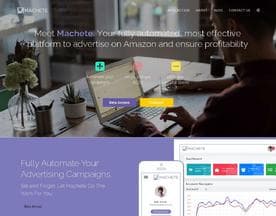
Automation is the reason most teams buy advertising software in the first place. But automation that runs without guardrails can spend budget quickly on the wrong audiences or placements. Look for tools that give you clear visibility into what the system is doing automatically and let you set hard limits. AiHello is built around AI-driven optimization for Amazon advertising, which is a good illustration of the principle: the automation is scoped to a specific channel with well-defined rules rather than being a black box that touches everything.
Creative flexibility without the bottleneck
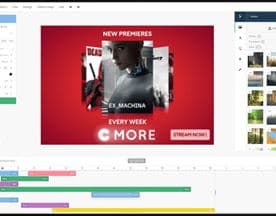
For teams producing display advertising at volume, the gap between what marketing wants and what the design team can turn around is a constant source of friction. Software that lets non-designers produce, version, and publish ads without going back to the creative team every time is worth a lot in practice. BannerFlow focuses specifically on this, offering a production environment for display ads that is designed to remove the designer bottleneck from the publishing workflow.
Monetization control for publisher-side buyers
If you are on the supply side rather than the demand side, the priorities shift entirely. You want a header bidding solution or ad network partnership that maximizes competition for your inventory without slowing your pages or degrading experience. Adapex LLC works with publishers on precisely this problem, helping optimize revenue from programmatic inventory. GreedyGame approaches a similar challenge from the mobile app side, which matters if your inventory is in-app rather than web-based.
Distribution reach for press and content
Not every advertising problem is about paid placements. Getting a product announcement picked up broadly, or ensuring a content campaign reaches the right editorial outlets, is a legitimate advertising challenge. Press Release Power operates in this space, focused on press release distribution to help brands extend their reach beyond their owned channels.
What to Watch Out For During Evaluation
A few patterns show up consistently when teams make a bad buy in this category.
Overpromised channel coverage. Vendors love to show a dashboard full of channel logos. Ask specifically which channels are fully integrated versus which are managed through a third-party connection or manual import. The answer often narrows the list quickly.
Pricing models tied to spend. Some advertising platforms charge a percentage of media spend rather than a flat fee. This is not inherently bad, but it can mean your software costs scale with your budget in ways that hurt your unit economics at higher spend levels. Model it out before you sign.
Implementation complexity undersold. Any platform that requires a significant technical setup, pixel installation, data feed configuration, or API connection takes longer to go live than the sales team will tell you. Ask for a realistic timeline from a customer who had a similar setup to yours, not a best-case scenario.
Reporting that looks deep but isn't. Good reporting in advertising software means being able to attribute spend to outcomes at a granular level and then act on that insight inside the same tool. Pretty charts that do not connect to optimization actions are just decoration.




Making the Final Call
Narrow your shortlist to two or three tools that solve your specific problem category. Run each through a structured pilot with real data and real campaign objectives, not a sandbox demo with sample data. The behavior you see in a live environment with your actual audience, budget, and creative assets is far more predictive than anything a vendor walkthrough will show you.
Pay attention to support quality during the trial period. The way a vendor treats a prospect is usually better than how they will treat you after the contract is signed. If it takes three days to answer a technical question during the sales process, factor that into your expectations for ongoing support.
The right advertising software does not make advertising easy, but it does make the work manageable and the results visible. That combination is what you are actually buying.


