


Most rental businesses pick software the wrong way. They find a platform that handles reservations cleanly, run a quick demo, and sign up. Six months later they are fighting with a system that cannot talk to their accounting tools, mangles their fleet utilization reports, or charges per-booking fees that quietly devour their margins. The problem was never the demo. The problem was what they forgot to evaluate before the demo even started.
This guide is built around the decisions that actually separate a good purchase from a regrettable one.
Start With Your Operation, Not the Software
Before you look at a single platform, write down how your business actually runs. That sounds obvious, but most buyers skip it because they think the software will reveal what they need. It will not. Software surfaces its own strengths, not your gaps.
The questions worth answering first: Do you rent from one location or many? Do customers pick up and drop off at the same place, or do you handle one-way rentals? How do you currently manage vehicle maintenance schedules, and where does that data live? Do you take bookings from your own website, from third-party aggregators, or both? Are your customers mostly walk-ins, corporate accounts, or tourists booking weeks ahead?
Each answer changes what the software needs to do. A single-location operation renting to local customers needs something very different from a fleet owner serving multiple cities with online booking across several channels. Car rental software spans a wide range of specializations, and the category label tells you very little about which product fits your model.
Fleet Management Is the Core, Not a Feature
Reservations are table stakes. Almost every platform handles booking reasonably well. Where systems diverge sharply is in how they manage the fleet itself.
Look for real-time vehicle availability that accounts for maintenance downtime, not just existing reservations. If a car goes in for service and the system does not flag it as unavailable, you will double-book, and that is an operational disaster, not just an inconvenience. Check whether the software tracks vehicle condition at pickup and drop-off, and whether it stores that history somewhere you can actually access it later.
RENTALL Car Rental Software is one platform that centers its design on fleet operations rather than treating fleet tracking as an add-on to a booking engine. That approach matters because it determines what the system prioritizes when conflicts arise between availability data and reservation logic.
Utilization reporting is equally critical. You need to know which vehicles sit idle most often, which generate the most revenue, and which cost more to maintain than they earn. Without that, you are running your fleet on instinct.
Online Booking and Channel Integration Deserve Serious Scrutiny
If you take bookings through your website, the software needs to embed cleanly and update availability in real time. A booking widget that shows cars as available when they are not is worse than no widget at all, because it creates customer-facing failures.
If you work with third-party booking platforms or aggregators, ask vendors directly how two-way synchronization works. Some systems push availability updates on a delay. A fifteen-minute lag sounds minor until a car gets double-booked on a busy weekend.
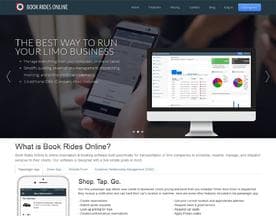
Yo!Rent offers white-label online booking infrastructure that lets operators run branded rental storefronts, which is useful if you want full control over how customers experience the booking flow. Book Rides Online takes a different angle, focusing more on ride and vehicle booking workflows suited to operators who blend rental and transportation services.
Neither is universally better. The right fit depends on whether your priority is brand control, channel reach, or operational simplicity.
Pricing Flexibility Is Underrated at Buying Time
Your pricing model today may not be your pricing model in two years. Seasonal rates, corporate discounts, long-term rental pricing, early return penalties, and fuel options all need to be configurable without a call to vendor support every time.
Ask the vendor to show you, during the demo, how you would set up a seasonal rate adjustment. Then ask how you would create a corporate account with a negotiated daily rate. If either of those takes more than a few minutes or requires admin access you would not normally have, that is a signal the pricing engine is less flexible than the sales conversation implied.
DealerClick serves operators in the automotive space broadly and handles rate configuration alongside dealer-side inventory management, which can be useful if your rental operation sits alongside a sales lot. Car Rental Gateway focuses specifically on online distribution and pricing for rental operators who want to surface inventory across booking channels with dynamic rate control.
Contracts, Damage Waivers, and Compliance Are Not Afterthoughts
Every rental involves a contract. The software should generate rental agreements automatically, populated with vehicle, customer, and rate details, and it should capture the customer's signature digitally. Paper-based or manual contract workflows introduce errors and create liability gaps.
Damage waiver management is closely related. The system should clearly record whether a customer accepted or declined coverage, and that record should attach to the specific rental, not just the customer profile. If a dispute arises months later, you want to pull up that rental and see exactly what was agreed.
For operators working in regulated markets or handling insurance-replacement vehicles, compliance requirements add another layer. Check whether the software supports the reporting formats your insurance partners or regional authorities require, before you buy.
Implementation and Support Are Part of the Product
Software that your team cannot learn to use confidently is not a tool, it is a liability. Ask vendors what onboarding looks like: is it a documentation library you are expected to work through alone, or is there a structured setup process with a human involved?
Equally important is what happens when something breaks during a peak period. Understand the vendor's support hours, response time commitments, and escalation process. A platform with excellent features and slow support will cost you more in operational disruption than a simpler system with responsive help.
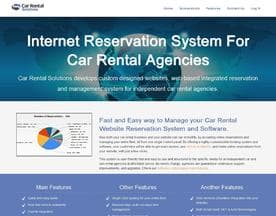
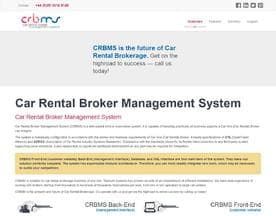
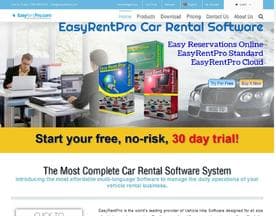
CRBMS and Car Rental Solutions are examples of platforms that position themselves around operator support and configuration assistance, which can be valuable if your team does not have dedicated IT resources to manage a complex rollout.




What to Actually Compare When You Shortlist
Once you have two or three platforms that meet your operational requirements, compare them on these dimensions, in this order:
- Fleet management depth, specifically maintenance tracking and utilization reporting
- Booking synchronization reliability across all channels you use or plan to use
- Pricing configuration flexibility without vendor involvement
- Contract and damage waiver handling
- Support responsiveness, tested during the sales process itself
That last point is deliberate. How quickly a vendor responds when they want your business tells you something about how they will respond once they have it.
The software category is mature enough that most platforms cover the basics. The meaningful differences sit in depth, flexibility, and the quality of the relationship you are signing up for. Evaluate accordingly.


