


Running a winery means managing two very different businesses at once. Out front, you have hospitality, tasting rooms, wine clubs, and direct-to-consumer sales. Out back, you have a production operation with its own inventory, compliance obligations, and seasonal rhythms. Most generic business software handles one of those worlds reasonably well. Very few handle both. That gap is exactly why winery software exists as a category, and why choosing the wrong platform costs wineries more than they expect.
This guide will help you cut through the noise and figure out which type of system fits where your winery actually is today, and where it needs to go.
Know What Problem You Are Actually Solving
Before you evaluate a single platform, get honest about your biggest operational pain point. Is it losing track of barrels and batches through the production cycle? Is it managing compliance paperwork across multiple distribution states? Is it the fact that your wine club, your tasting room POS, and your e-commerce store all live in separate systems that don't talk to each other? Or is it that you have plenty of data but no reliable way to read it?
The answer shapes everything else. A winery that struggles with production traceability needs something very different from one that is losing wine club members faster than it can replace them. Trying to solve both problems with a single all-in-one platform is sometimes the right call, but only if you evaluate it against both use cases with equal rigor.
The Core Capability Areas to Assess
Winery software platforms typically cluster around a few distinct functional areas. Most vendors touch several, but depth varies significantly.
Production and Cellar Management
This covers everything from crush through bottling: lot tracking, tank and barrel management, blending records, lab data, and cost-of-goods calculations. If your winemaking team still relies on whiteboards or disconnected spreadsheets, production management is where you need the most discipline in your evaluation.
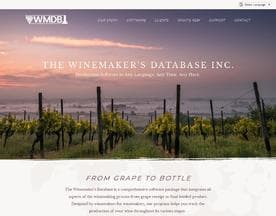
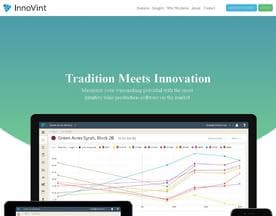
Look for systems with genuine lot traceability, not just inventory counts. The ability to trace a finished case back to its source fruit matters enormously for compliance, quality review, and recall preparedness. InnoVint is a well-known name in this space, built specifically around winery production workflows rather than adapted from generic inventory management. The Winemaker's Database, Inc. takes a similarly focused approach to cellar record-keeping. Both represent the production-first end of the market.
Compliance and Regulatory Reporting
Compliance is not optional, and the cost of getting it wrong is severe. If you sell direct-to-consumer across state lines, you are dealing with a patchwork of shipping permits, tax rates, and reporting requirements that changes regularly. Your software needs to either manage that complexity or integrate cleanly with a specialist service that does.
Ask vendors directly: how do they handle DTC compliance across different states? What happens when regulations change? How quickly do they update their rules engine? Vague answers here are a red flag.
DTC Sales, Wine Clubs, and E-Commerce
Direct-to-consumer revenue is increasingly central to winery economics. That makes your wine club management, tasting room point-of-sale, and online store more than just convenience tools; they are core business systems. When these are fragmented, you lose visibility into customer lifetime value and make it harder to retain your best buyers.
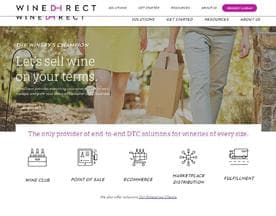
WineDirect has built its entire platform around the DTC channel, which makes it a natural fit for wineries where direct sales are the primary revenue driver. If that is your situation, a DTC-native system often outperforms a more generalist platform that has bolted on a wine club module.
Analytics and Customer Intelligence
Knowing how much wine you sold is not the same as understanding why certain customers churn, which SKUs are driving tasting room visits, or how your wine club cohorts perform over time. A growing number of platforms offer analytics capabilities beyond basic reporting, and this is one area where it pays to push beyond the demo.
Enolytics occupies a specialist position here, focused on turning winery data into actionable customer and sales intelligence rather than trying to be an end-to-end operational platform. If you already have operational systems you are happy with but lack analytical depth, a specialist analytics layer may add more value than ripping and replacing your existing setup.
Integration Should Be a First-Class Concern
No winery software platform covers everything perfectly. Which means integrations matter, and you should treat integration capability as a core evaluation criterion rather than a nice-to-have.
Ask each vendor for a specific list of their native integrations and their API documentation. Find out whether connecting to your existing accounting system, your shipping carrier, or your retail POS requires custom development or is available out of the box. The cleaner the integration story, the lower your total cost of ownership over time.
Evaluate for Where You Are Going, Not Just Where You Are
A platform that fits a 2,000-case production winery with a small tasting room may buckle under the demands of a 20,000-case operation with multi-channel distribution. Equally, an enterprise-grade system built for regional distributors will suffocate a small family winery with overhead it cannot justify.
Be honest about your growth trajectory over the next three years. Ask vendors about their typical customer profile. If most of their clients look nothing like you, that is worth probing. It is not disqualifying, but you want to understand whether their product roadmap and support model are actually designed for businesses at your scale.
Vinelytics and vinCreative are worth exploring for wineries that want a closer look at how analytics and marketing capability intersect with operational data, particularly if you are building out a more sophisticated customer engagement strategy.


Run a Structured Pilot Before You Commit
Demos are choreographed to show software at its best. A structured pilot, where your team actually uses the system on real data for a defined period, tells you things no demo can. Set a clear scope: which processes will you test, who will use the system, and what does success look like? Without that structure, a pilot becomes an extended demo and teaches you nothing new.
The right winery software will feel like it was built for people who actually work in wineries, not adapted from a generic platform by someone who visited one once. When your team stops working around the software and starts working with it, that is when you know you have found the right fit.


