


Most software categories have a clear problem they solve. Forestry is different. The work spans land measurement, harvest planning, supply chain logistics, carbon accounting, regulatory compliance, and environmental reporting, sometimes on the same project, sometimes managed by different people in different locations. That complexity is exactly why forestry software tends to either impress or frustrate, with very little middle ground.
If you are evaluating tools in this space, the hardest part is not finding options. It is understanding which capabilities actually match your operation, and which ones are selling you a vision of forestry management that does not reflect your day-to-day reality.
The Field-to-Office Gap Is the Real Problem
Forestry work does not happen at a desk. Crews are in the field, conditions change, and data collected on the ground needs to reach planners, buyers, and compliance teams quickly and accurately. The gap between what happens in the field and what gets recorded in the office has historically been where errors compound and costs grow.
Good forestry software closes that gap. Bad forestry software just digitizes the gap, giving you a prettier version of the same disconnected workflow.
When you evaluate any tool, ask specifically how data moves from field collection to office reporting. Is it real-time? Does it require manual re-entry at any point? What happens when crews are in areas with no connectivity? These are not edge cases in forestry. They are the norm.
Understand What Kind of Operation You Are Running
The category is broad enough that tools optimized for one type of operation can be genuinely wrong for another. A timber company managing large-scale harvests across multiple sites has different needs from an urban arborist managing individual tree inventory across a municipality.
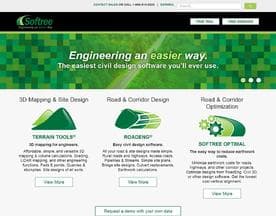
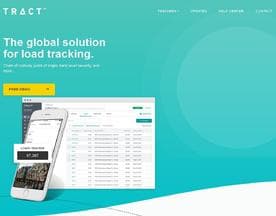
Tools like TRACT are built around land and timber data management, making them relevant for operations where ownership records, boundaries, and standing timber volumes are the core data challenge. Softree Technical Systems focuses heavily on road design and terrain analysis, which matters when harvesting requires significant infrastructure planning. eLIMBS approaches the category from an arboricultural and urban tree management perspective, which is a substantially different discipline.
The practical implication is this: before you start comparing features side by side, define what type of forestry work you are actually doing. Harvest planning, road engineering, urban tree inventory, log scaling, and carbon offset tracking all require different core capabilities. A tool that excels at one can be genuinely inadequate at another.
What to Actually Evaluate
Once you have defined your operational type, here is where to focus your evaluation.
Data Collection and GIS Integration
Spatial data is foundational to forestry. You need to know where things are, what the terrain looks like, and how boundaries are defined. Any serious tool should integrate with GIS (Geographic Information System) mapping, either natively or through established import and export formats. Ask whether the software works with the mapping data formats your team already uses, and whether field crews can collect GPS-referenced data directly in the tool without needing a separate application.
Supply Chain and Log Tracking
If you are moving timber from harvest to mill, you need visibility across that chain. 3LOG Systems is built specifically around log tracking and wood supply chain management, which speaks to how specialized this segment is. Generic supply chain tools do not account for the variability of forest products, which can differ by species, grade, moisture content, and cut specification. If log tracking is central to your operation, look for a tool purpose-built for it rather than adapting a general logistics platform.
Compliance and Reporting
Regulatory requirements in forestry vary significantly by jurisdiction, but almost every operation has some compliance obligation. This might involve harvest permits, reforestation requirements, environmental impact records, or carbon accounting. Tools like CO2offset address the carbon accounting side specifically, which has become increasingly relevant as carbon markets have matured and organizations face pressure to document and verify sequestration.
Ask vendors how the software handles reporting for your specific jurisdiction. A tool built for one regulatory environment may not map well to yours, and retrofitting compliance reporting onto software not designed for it is expensive and error-prone.
Scalability and Integration
Think about whether the tool needs to connect to anything else in your stack. Finance systems, payroll, ERP platforms, and land management databases all potentially need to share data with your forestry tool. Cengea takes an integrated approach to forestry operations management, which is worth examining if your organization runs multiple functions that currently operate in silos.
The Implementation Question Nobody Asks Early Enough
Software in this category tends to carry significant implementation complexity. Field crews need training. GIS data needs migrating or cleaning. Reporting templates need configuring. If you are replacing a legacy system, the transition period carries real operational risk.
Before you sign anything, get a clear picture of what implementation actually involves. Ask the vendor how long a typical deployment takes for an operation of your size and type. Ask what professional services or support is included. Ask what the most common reasons for slow go-lives are, because the honest answer tells you more than the polished one.
Tools like Assisi Software Corporation serve specific segments of the forestry and natural resource management space, and that focus often means implementation support is more targeted than what you would get from a general-purpose platform trying to serve everyone.


The Decision That Actually Matters
The right forestry software is not the one with the most features. It is the one your field crews will actually use, that closes the data gap between the ground and the office, and that supports the specific regulatory and operational requirements of your work.
Demos tend to show software at its best, with clean data, cooperative connectivity, and a prepared presenter. Push for a pilot with your own data, in your own operational context, before you commit. That is where you will learn whether the tool works the way your work actually works, and that is the only evaluation that matters.


