


You probably already know where your biggest inefficiencies live. Vehicles sitting idle longer than they should. Fuel costs that drift upward with no clear explanation. Customers calling to ask where their delivery is, and your dispatcher having to make a phone call to find out. These are not random problems. They are symptoms of running a fleet without reliable visibility, and they compound quietly until the numbers are impossible to ignore.
Fleet tracking software exists to close that visibility gap. But the market is wide, the feature lists are long, and "GPS tracking" means different things to different vendors. This guide will help you cut through that noise and figure out what actually matters for your operation.
What Fleet Tracking Software Really Does
At its core, fleet tracking software pulls location data from GPS devices fitted to your vehicles and makes that data useful. Live maps, movement history, stop reports, speed alerts. That much is table stakes. The meaningful differences between platforms show up in what they build on top of that foundation.
Good platforms translate raw location data into operational intelligence. They tell you not just where a vehicle is, but how long it has been idle, whether a driver is following a route efficiently, when a vehicle is due for service based on actual mileage, and whether your fuel consumption looks normal for the routes being driven. That shift from data to intelligence is where fleet software earns its cost.
The Hardware Question
Most fleet tracking solutions involve some hardware, typically a small telematics device that plugs into the vehicle's OBD-II port or is hardwired into the electrical system. Plug-in devices are easier to install and move between vehicles. Hardwired devices are harder to tamper with and often capture richer data. Some vendors supply their own hardware; others are compatible with third-party devices.
This matters at the buying stage because hardware creates lock-in. If a vendor's software only works with their proprietary device, switching platforms later means replacing the hardware across your fleet. Ask the question early.
The Features That Decide Whether People Actually Use It
Fleet software gets bought on the promise of the full feature set and then used at about thirty percent of its capability. The reason is usually interface complexity. A platform that requires three screens and a report export to answer "where is vehicle seven right now?" will be abandoned for phone calls within a month.
Prioritize usability over feature count. A clean live map, simple alert configuration, and a one-click trip history replay will get used every day. An advanced analytics dashboard buried under a settings menu will not.
Beyond usability, these are the features worth scrutinizing before you buy.
Driver Behavior Monitoring
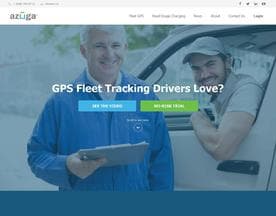
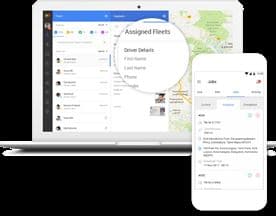
Harsh braking, rapid acceleration, and speeding are measurable events that correlate directly with accident risk and fuel waste. Platforms that score driver behavior and surface the data in a digestible way give fleet managers something to act on in coaching conversations. Azuga has built a meaningful part of its product around driver safety scoring, which makes it worth evaluating if this is a priority for your operation.
Maintenance Scheduling
The best fleet tracking platforms connect mileage data to maintenance intervals and alert you before a vehicle is overdue for service. This sounds simple, but it requires the software to hold your maintenance schedule, track odometer readings reliably, and surface alerts to the right person at the right time. Plenty of platforms claim this feature but execute it poorly. Ask vendors to walk you through the maintenance workflow specifically.
Route Optimization
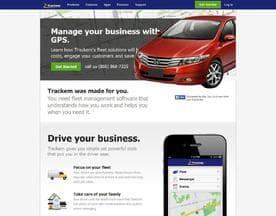
Not every fleet needs route optimization, but delivery and field service operations almost always do. The question is whether the routing engine is built into the platform or bolted on through a third-party integration. Built-in is almost always more reliable. FleetGO and Trackem both offer operational dashboards that include route management alongside their tracking tools, which reduces the number of separate systems your dispatchers need to navigate.
Reporting and Compliance
If your fleet is subject to hours-of-service rules or electronic logging requirements, compliance reporting is not optional. Verify that the platform you are evaluating meets the regulatory standards relevant to your jurisdiction and that it produces the documentation format your compliance team or auditor expects. This is a straightforward question to ask vendors, and their answer will tell you a lot about how seriously they have built for your sector.
Matching the Platform to Your Fleet Type
A ten-vehicle local delivery operation has different needs from a regional construction company running heavy equipment across multiple job sites. Most platforms are built with a bias toward one or the other, even if their marketing suggests universal applicability.
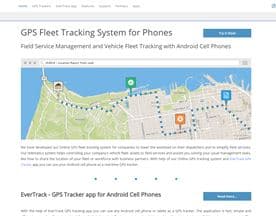
Field service operations, where technicians drive to customer locations and time-on-site matters, benefit from platforms that track job assignments alongside vehicle location. Eworks Tracking is built with field service workflows in mind, connecting vehicle tracking directly to job management. If your fleet's primary purpose is getting people to jobs rather than moving goods, that kind of integration is worth prioritizing.
Operations with a heavy logistics focus, where route density and delivery confirmation matter more than job management, should evaluate whether the platform connects to their dispatch or order management system. An integration that eliminates manual status updates will save more time than any individual feature.
How to Evaluate Vendors Without Getting Burned
Request a trial that uses your actual data, not a demo environment. The difference between a vendor-guided demo and logging in yourself to track your real vehicles for two weeks is significant. Problems with interface complexity, data latency, and alert noise surface immediately when the platform is running on your operation.
Talk to existing customers in your sector. Not the case studies on the vendor's website, but references you can call. Ask them what they wish they had known before signing, not what they like about the software now.
Watch for contracts that lock you into multi-year terms before you have had time to validate the platform in production. A vendor confident in their product should be willing to earn your renewal.
CorvusGPS is worth a look for smaller fleets that want straightforward tracking without the overhead of enterprise-scale configuration. For operations that need a mobile-first approach with field team coordination built in, ManageTeamz is worth including in your shortlist.

What Good Looks Like Once You Are Live
The sign that fleet tracking software is working is not the dashboard. It is the conversation that stops happening. Dispatchers stop fielding "where is my driver?" calls. Fuel invoices become predictable. Maintenance surprises decrease because the system flagged the service interval three weeks before the breakdown would have happened.
Get clear on which of those outcomes matters most to your business before you buy. That priority shapes which features to weight in your evaluation and which platforms are genuinely built for your use case. The software that solves your actual problem is always a better choice than the software with the longest feature list.


